How To Select The Perfect Garden Container For Different Flower Types?
Selecting the right garden container is crucial for growing beautiful and healthy flowers. Whether you’re a seasoned gardener or a beginner, choosing the appropriate container can significantly impact the growth and appearance of your flowers. Flower containers come in various sizes, materials, and styles, and each type of flower has specific needs. These needs will help you choose the right container to keep your flowers healthy all season.
1. Understand The Flower’s Root System
The first step in selecting a flower container is understanding the root system of the plant you’re growing. Some flowers have shallow roots, while others develop deep root systems. For flowers with shallow roots, such as pansies or petunias, smaller containers or window boxes will suffice. On the other hand, flowers like dahlias or sunflowers need deeper containers to allow their roots to grow freely.
Deep containers allow flowers with large root systems to anchor and absorb nutrients. When selecting flower containers, always consider the depth of the flower’s root system and choose a container that allows ample space for growth.
2. Choose The Right Size
Size matters when it comes to flower containers. A small container will inhibit root growth and stunt plant development, while a large container may hold too much water and cause root rot. To get the right size, choose a container at least twice the flower’s root ball.
For smaller flowers, such as violets or primroses, small to medium-sized containers will do. These flowers don’t require a lot of space to thrive. Liliums and peonies need larger containers with room for their roots. Avoid waterlogging by using containers with drainage holes.
3. Consider The Material Of The Container
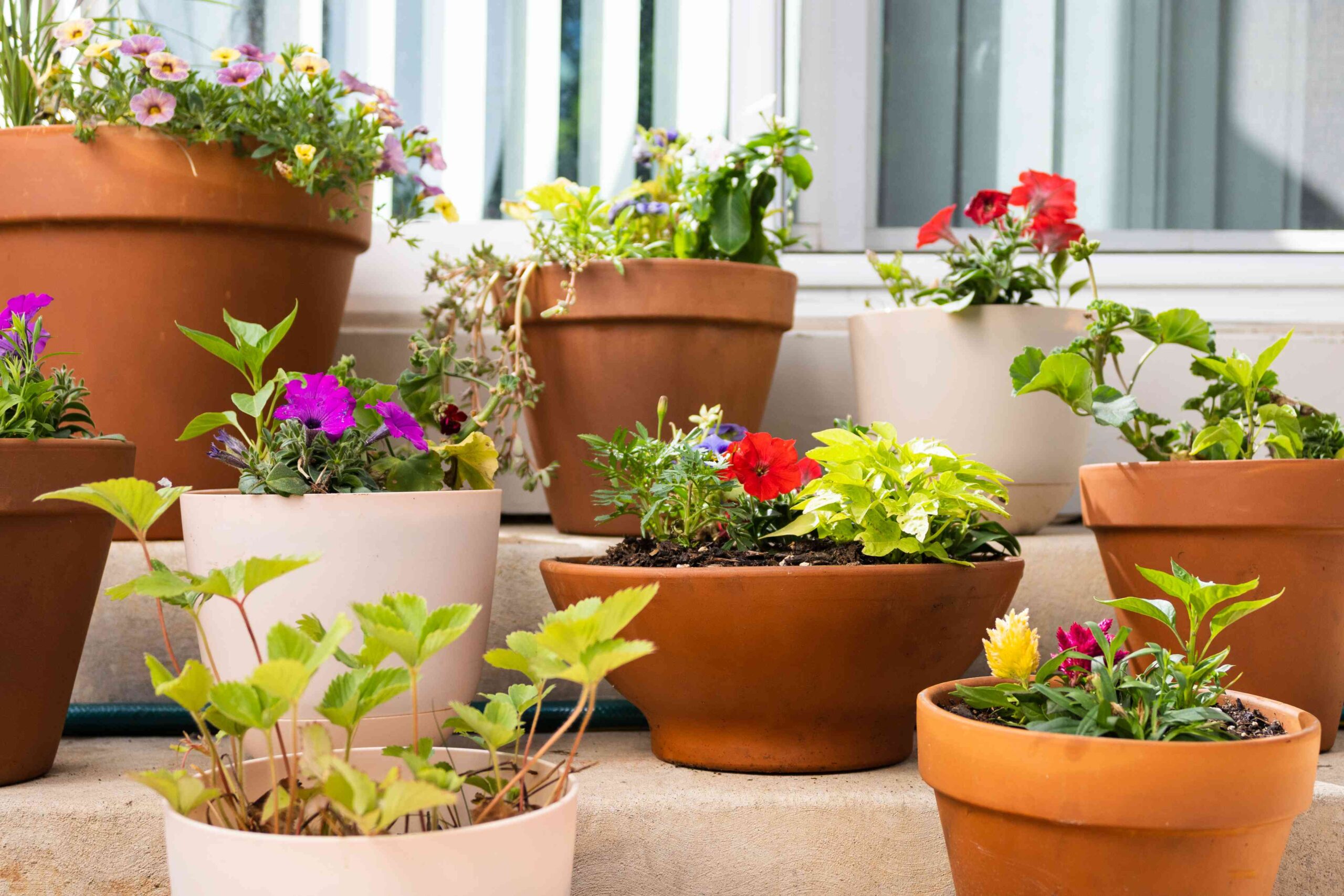
Flower containers come in a variety of materials, each with its own set of benefits. The material you choose affects plant health and garden beauty.
- Plastic Containers: Lightweight, affordable plastic flower containers are popular because they maintain moisture. It is also available in various colors and styles, making it a versatile option for any garden.
- Ceramic Containers: Ceramic containers add a touch of elegance to your garden and are ideal for flowers that need more stable moisture levels. Though heavier than plastic containers, they can fracture in frigid weather. Choose ceramic containers with drainage holes to promote healthy growth.
- Wooden Containers: Wooden flower containers offer a rustic look and are perfect for flowers that need good airflow. However, they need to be treated to prevent rotting and may require more maintenance over time.
- Terracotta Containers: Terracotta pots are classic and excellent for heat-loving plants like geraniums and succulents. They speed soil drying, which benefits flowers that dislike wet soil.
Consider your flowers’ needs when choosing a container material. Each has merits and cons.
4. Consider The Drainage
Good drainage is crucial to the health of your flowers. Water at the container bottom can cause root rot and other problems without sufficient drainage. Choose flower pots with drainage holes to remove excess water.
If your container doesn’t have drainage holes, you can drill small holes yourself. Alternatively, place a layer of gravel at the bottom of the container to improve drainage. This helps ensure the roots don’t sit in stagnant water, which is especially important for delicate flowers like roses and tulips.
5. Climate And Location Considerations
Your climate and the location where the container will be placed are other important factors to consider when choosing flower containers. If you’re gardening in a hot climate, containers made of materials that retain moisture, like plastic or glazed ceramic, will be beneficial. For cooler climates, lightweight containers like plastic can help prevent the soil from getting too cold.
Also, consider whether your containers will be placed in direct sunlight or shaded areas. Some flowers, like marigolds and petunias, thrive in the sun and will need containers that won’t overheat, while others, like begonias or fuchsias, prefer partial shade.
6. Add Decorative Touches
While the function of flower containers is essential, their appearance also plays a role in enhancing your garden’s aesthetics. Flower containers come in a wide range of styles, colors, and designs to complement your garden’s theme. Whether you prefer modern, sleek containers or classic, rustic designs, there’s a container to match your style.
Creatively arrange pots of different sizes and varieties to create a stunning yard show. Planting flowers with similar light and water requirements together can help maintain a harmonious garden.
Conclusion
Selecting the perfect flower container is essential for the success of your garden. By considering the flower’s root system, choosing the right size, and selecting the appropriate material, you can ensure that your flowers will have the right environment to flourish. Remember to provide proper drainage, take climate and location into account, and don’t forget to enjoy the process of creating a beautiful, thriving garden with the right flower containers.